
The Fundamental Building Block of Life
The living cell is a marvel of biological engineering; a bustling metropolis where countless organic machines work in harmony to sustain the body.
Each cell is a self-contained world, brimming with complex dynamics and sophisticated design features that ensure its survival and functionality fulfilment.
This section delves into some astounding facts about the cell, highlighting its complexity and the remarkable coordination of its organic machines.
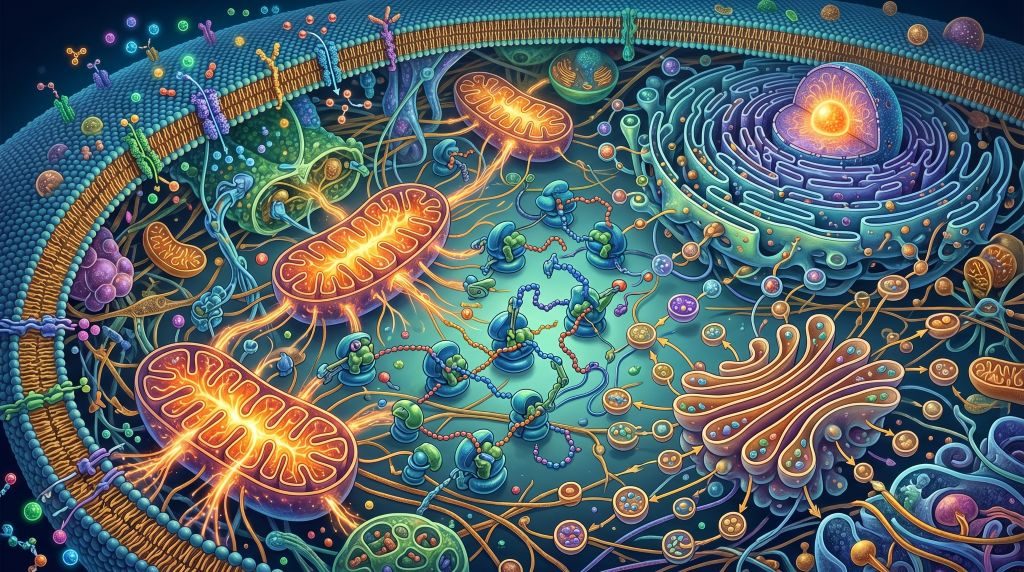
Each cell continuously builds and maintains millions of its own microscopic organic machines and structures!
There are around 37 trillion (37 000 000 000 000) cells that make up the average-sized adult human body. And they all function cooperatively for the good of the entire body.
These miniature machines work tirelessly with
specific tasks on behalf of the cell.
Each human cell is a marvel of biological engineering—a microscopic universe containing every instruction necessary to build an entire human being. Encoded within its nucleus lies the complete blueprint of life: the DNA molecule, a spiraling ladder of information that, if unraveled from a single cell, would stretch nearly two meters in length. And yet, this vast library of genetic code is coiled with exquisite precision into a space invisible to the naked eye.
Inside the cell, thousands of microscopic organic machines—known as organelles—operate in perfect coordination. These are not passive structures; they are dynamic, responsive, and specialised. The mitochondria generate energy like power stations. Ribosomes assemble proteins with the precision of automated factories. The endoplasmic reticulum folds and transports materials like a global logistics network. The Golgi apparatus tags and dispatches cellular products like a postal service. Even the cell membrane acts as a vigilant border patrol, regulating what comes in and what goes out. — See an intriguing discussion on the manufacture of proteins in the article, 'The Symphony Before the Composition.'
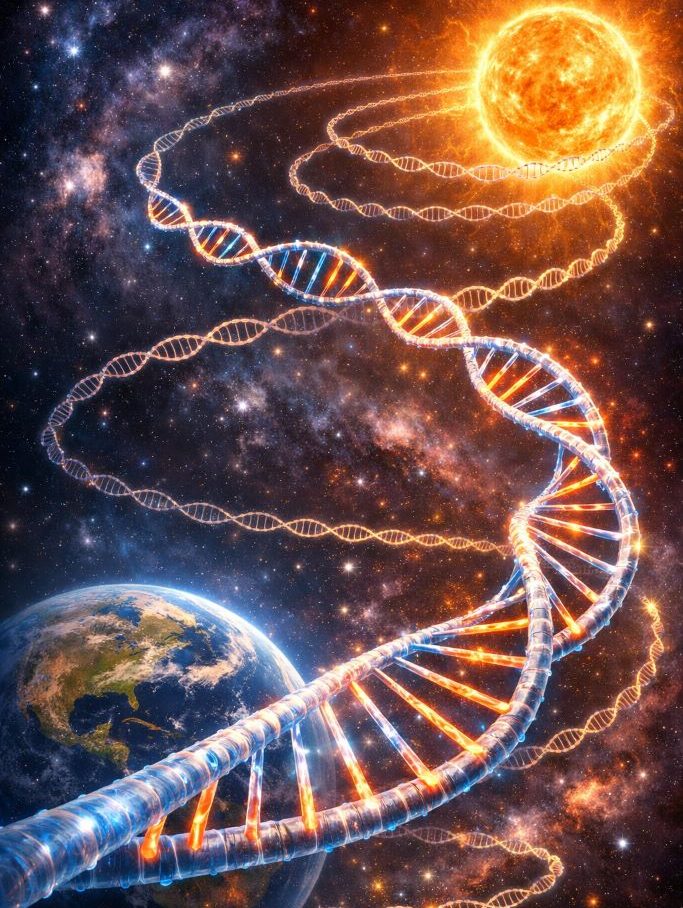
Astonishingly, if all the DNA from all the cells in one adult human body were laid end-to-end, it would measure at least 74 billion km (46 billion miles).
This is about 500 times the distance from Earth to the Sun. Put another way, this string of DNA would stretch from the Sun to Pluto more than 12x over.
And one more comparison: it would stretch around the earth almost 2 million times—and that's just one human body !
(Note that estimates on this vary, but the above is a well-supported value on the *low* side—see the supplied supporting links).

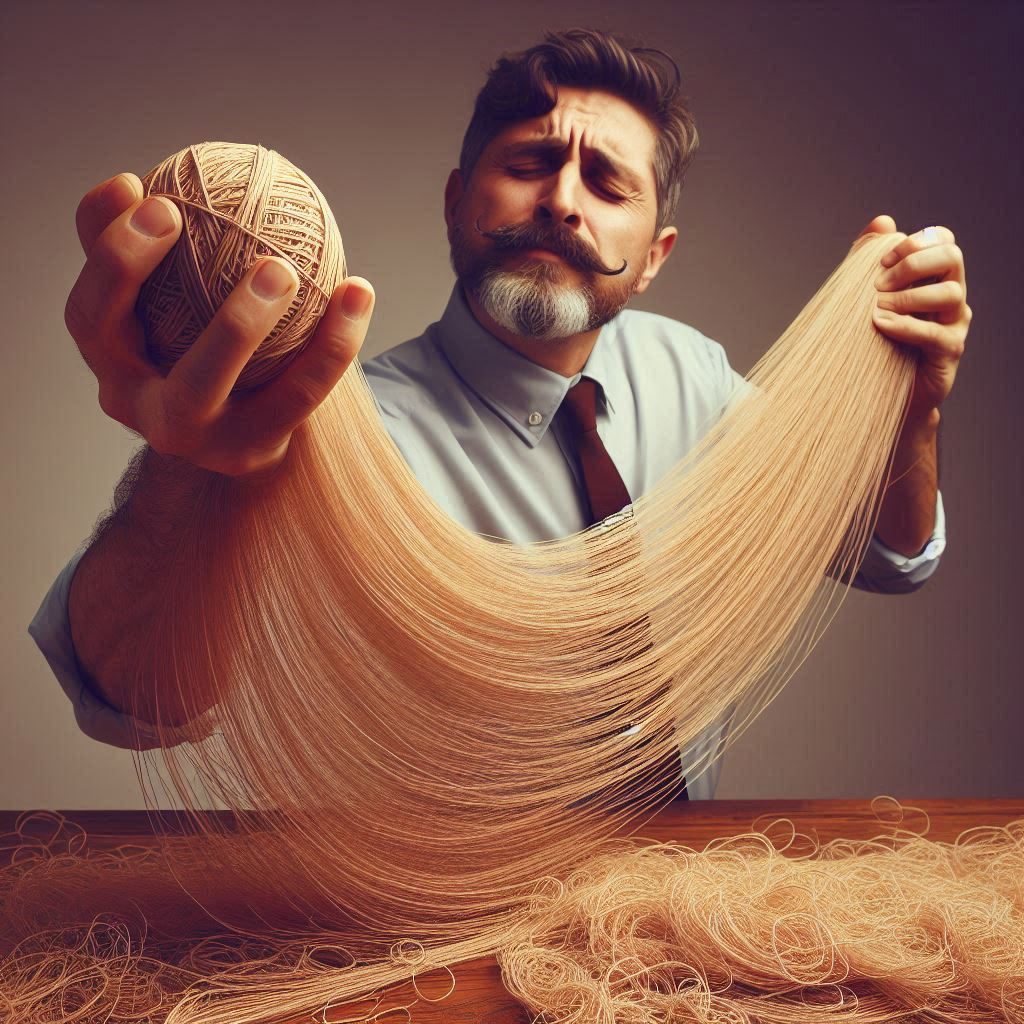
And yet, DNA is incredibly thin—40,000 times *thinner* than a human hair! This makes it a mere 20 atoms wide on average! And the way it is stored (as an efficient double-helix arrangement) within the heart of the cell, is highly impressive; its total diameter when curled inside, is only a 30 millionth (0.00003) of a millimetre!
. . . How would you plan to accomplish this if you were handed the task as a science project? Could you make a two-metre length of thin material and twist it down by efficient packing into a space that small?
Evolutionists believe the living cell was not the product of intentional precise order and arrangement, but that it developed by means of an undirected selection process from a series of immensely long (and fortuitous) contiguous serendipitous events.
As discussed in the article Infinite time, monkeys, and typewriters, the major part of the code within DNA is devoted to cross-referencing, error checking, and regulation. How could this be the result of fortuitous growth and natural selection? Despite the protests of evolutionary scientists who object to the use of the term "coding" when discussing DNA, the evidence is clear that the instructional genes behave according to a sophisticated, logical, consistent, and highly advanced code! (See the work of Professor Stephen Meyers, who obtained his doctorates in Philosophy, History, and Science at Cambridge University in the UK, and his ground-breaking book Signature in the Cell, and the work of professor of biochemistry at Lehigh University, Michael Behe, and his book Darwin's Black Box.)
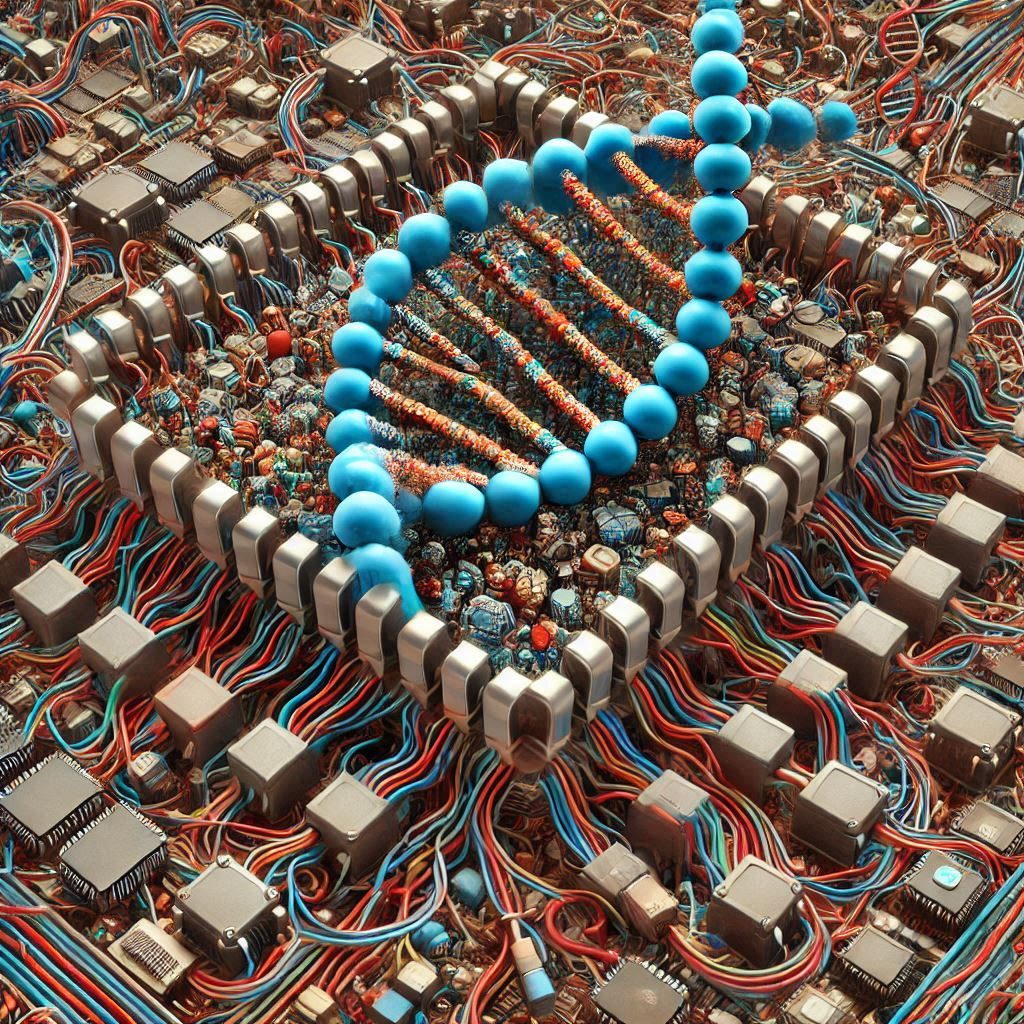
When we consider the expertise, foresight, and ingenuity invested by scientists in designing the Arecibo image — a deliberate transmission designed to showcase human intelligence — and weigh this against the complexity, coordination, and precision found within the living cell as explored above… the contrast is profound. One is a marvel of human engineering; the other, a masterpiece of biological orchestration.
Does all of this cellular sophistication not point to intentional order and arrangement?
"DNA is like a computer program but far, far more advanced than any software ever created." — Bill Gates.
DNA contains "more switches than you could imagine." — Ewan Birney.